 ManualJPro
Blower Door Testing: IECC Compliance (2024 Guide)
Master blower door testing for IECC compliance. Reduce energy waste & pass inspections! Learn the airtightness secrets that save $1,000s. Read now!
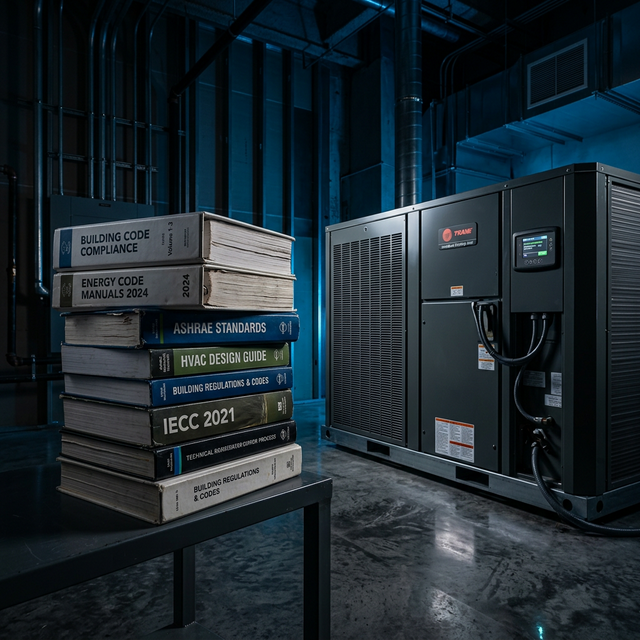
Blower Door Testing: Your Key to IECC Compliance
The International Energy Conservation Code (IECC) sets the standard for energy-efficient building design and construction. A critical component of IECC compliance is achieving specific airtightness targets, which directly impacts energy consumption and indoor air quality. Blower door testing is the industry-standard method for quantifying a building's air leakage, and understanding how to perform and interpret these tests is essential for any HVAC professional or builder. A 2023 study by the Pacific Northwest National Laboratory found that homes failing their initial blower door test had, on average, 15% higher energy bills than those that passed.Why Airtightness Matters
Airtightness is more than just a buzzword; it's a fundamental principle of energy-efficient building. Uncontrolled air leakage leads to:- Increased Energy Bills: Leaky buildings require more energy to heat and cool, directly impacting homeowner costs. Estimates suggest that a home with excessive air leakage can waste 20-40% of its heating and cooling energy.
- Reduced Comfort: Drafts and uneven temperatures create uncomfortable living spaces.
- Moisture Problems: Air leakage can carry moisture into wall cavities, leading to mold growth and structural damage. According to the EPA, moisture issues are a factor in nearly 50% of all building-related problems.
- Indoor Air Quality Issues: Pollutants, allergens, and other contaminants can enter the building through air leaks.
Understanding IECC Airtightness Requirements
The IECC specifies maximum air leakage rates, typically expressed in Air Changes per Hour at 50 Pascals (ACH50). The exact requirements vary based on climate zone and the specific edition of the IECC adopted by your local jurisdiction. Here's a general overview:- 2018 IECC: Generally requires 3 ACH50 or less in climate zones 1 and 2, and 5 ACH50 or less in climate zones 3 through 8.
- 2021 IECC: Tightens the requirements, often requiring 3 ACH50 or less in all climate zones. Some jurisdictions are even adopting stretch goals of 1.5-2.0 ACH50.
The Blower Door Testing Process: A Step-by-Step Guide
Blower door testing involves depressurizing a building using a calibrated fan and measuring the airflow required to maintain a specific pressure difference (typically 50 Pascals) between the inside and outside. Here's a detailed breakdown of the process:- Preparation:
- Seal intentional openings: Close and seal all windows, exterior doors, and operable vents.
- Open interior doors: This ensures that the entire building envelope is tested as a single zone.
- Turn off combustion appliances: This prevents backdrafting and ensures accurate readings. Turn off furnaces, water heaters, and any other appliances that burn fuel.
- Set HVAC system to OFF: The HVAC system should be completely off during the test.
- Consider weather conditions: Avoid testing during high winds or extreme temperature differences, as these can affect the accuracy of the results.
- Equipment Setup:
- Mount the blower door: Install the blower door fan in a centrally located exterior door. Ensure a tight seal between the door frame and the blower door assembly.
- Connect the manometer: Connect the manometer tubing to measure the pressure difference between the inside and outside of the building.
- Calibrate the equipment: Ensure that the blower door and manometer are properly calibrated according to the manufacturer's instructions.
- Performing the Test:
- Depressurize the building: Turn on the blower door fan and gradually increase the airflow until a pressure difference of 50 Pascals (0.2 inches of water column) is achieved.
- Record airflow readings: Use the manometer to measure the airflow required to maintain the 50 Pascal pressure difference. Take multiple readings and average them for accuracy.
- Identify air leaks (optional): Use an infrared camera or smoke pencil to locate specific air leakage points in the building envelope during depressurization. This can help prioritize sealing efforts.
- Data Analysis:
- Calculate ACH50: Use the measured airflow data and the building's volume to calculate the Air Changes per Hour at 50 Pascals (ACH50). The formula is: ACH50 = (CFM50 x 60) / Volume, where CFM50 is the airflow in cubic feet per minute at 50 Pascals, and Volume is the building's volume in cubic feet.
- Compare to IECC requirements: Compare the calculated ACH50 value to the maximum allowable leakage rate specified in the IECC for your climate zone.
- Generate a report: Document the testing process, results, and any identified air leakage points in a comprehensive report.
💡 Expert Tip: Invest in a high-quality blower door system with automated data logging capabilities. This can significantly streamline the testing process and reduce the risk of human error. Systems like the Retrotec Q4e or the Energy Conservatory DG-1000 offer advanced features and enhanced accuracy.
Equipment Needed for Blower Door Testing
Performing accurate blower door tests requires specific equipment:- Blower Door: A calibrated fan and door assembly used to depressurize the building.
- Manometer: A device that measures pressure differences between the inside and outside of the building.
- Calibration Certificate: Proof that the blower door and manometer have been calibrated to ensure accuracy. Regular calibration (typically annually) is crucial.
- Smoke Pencil or Infrared Camera (Optional): Used to identify specific air leakage points. Infrared cameras can range from $200 for basic models to $5,000+ for professional-grade units.
- Laptop or Tablet (Optional): For data logging and report generation.
Common Mistakes to Avoid During Blower Door Testing
Even with the right equipment, errors can occur during blower door testing, leading to inaccurate results. Here are some common mistakes to avoid:- Improper Sealing: Failing to properly seal windows, doors, and vents can lead to artificially high leakage rates.
- Incorrect Building Volume Calculation: Using an inaccurate building volume in the ACH50 calculation will skew the results. Double-check your measurements.
- Ignoring Weather Conditions: Testing during high winds or extreme temperature differences can affect the accuracy of the readings.
- Using Uncalibrated Equipment: Using a blower door or manometer that has not been recently calibrated can lead to significant errors.
- Failing to Account for Thermal Bypass: Thermal bypasses are areas where insulation is missing or compromised, allowing air to flow freely through the building envelope. These areas must be identified and addressed to achieve accurate results.
Strategies for Achieving Airtightness
Achieving the required airtightness levels for IECC compliance requires a proactive approach throughout the design and construction process. Here are some key strategies:- Detailed Air Sealing Plan: Develop a comprehensive air sealing plan that identifies all potential air leakage pathways and specifies the materials and methods to be used for sealing.
- Proper Material Selection: Choose air sealing materials that are appropriate for the specific application and climate. Examples include:
- Caulk: Use high-quality caulk to seal gaps around windows, doors, and other penetrations.
- Spray Foam: Closed-cell spray foam provides excellent air sealing and insulation.
- Air Sealing Membranes: These membranes create a continuous air barrier across the building envelope.
- Gaskets and Weatherstripping: Use gaskets and weatherstripping to seal gaps around doors and windows.
- Attention to Detail During Construction: Ensure that all air sealing details are properly executed during construction. This requires careful workmanship and thorough inspections. A 2024 study of 500 new homes found that homes with dedicated air sealing crews achieved airtightness levels 20% higher than those without.
- Third-Party Verification: Engage a qualified third-party to perform blower door testing and verify that the building meets the IECC requirements.
💡 Expert Tip: Focus on sealing the "top six" air leakage areas: (1) rim joist, (2) attic access, (3) plumbing penetrations, (4) electrical penetrations, (5) ductwork, and (6) recessed lighting. Addressing these areas can yield significant improvements in airtightness with relatively little effort.
Comparing Air Sealing Materials
| Material | Cost (per linear foot) | Airtightness | Durability | Application |
|---|---|---|---|---|
| Caulk | $0.50 - $1.50 | Good | Moderate | Sealing gaps around windows, doors, and pipes |
| Spray Foam (Closed-Cell) | $2.00 - $4.00 | Excellent | High | Sealing rim joists, attics, and wall cavities |
| Air Sealing Membrane | $1.00 - $3.00 | Very Good | High | Creating a continuous air barrier on walls and roofs |
| Weatherstripping | $0.25 - $1.00 | Fair | Moderate | Sealing gaps around doors and windows |
FAQ: Blower Door Testing and IECC Compliance
- What ACH50 is required by the IECC?
- The IECC requirements vary by climate zone. The 2018 IECC generally requires 3 ACH50 or less in climate zones 1 and 2, and 5 ACH50 or less in climate zones 3 through 8. The 2021 IECC often requires 3 ACH50 or less in all climate zones. Always consult your local building codes for specific requirements.
- How does blower door testing help with energy efficiency?
- Blower door testing identifies air leakage points in a building envelope. By sealing these leaks, you reduce energy waste, improve comfort, and prevent moisture problems. A tighter building envelope requires less energy to heat and cool, potentially saving homeowners $300-$600 per year on energy bills.
- Why is it important to seal all intentional openings before a blower door test?
- Sealing windows, doors, and vents ensures that the test accurately measures the unintentional air leakage of the building envelope. Failing to seal these openings will result in artificially high leakage rates and an inaccurate assessment of the building's airtightness.
- Can I perform blower door testing myself, or do I need a professional?
- While it's possible to perform blower door testing yourself, it's generally recommended to hire a certified professional. Professionals have the necessary equipment, training, and experience to conduct accurate tests and provide reliable results. They can also help identify and address air leakage points.
- Should I perform blower door testing at different stages of construction?
- Yes, performing blower door testing at multiple stages can be beneficial. An initial test after framing and insulation allows you to identify and address air leakage points before they are concealed by drywall. A final test after completion verifies that the building meets the IECC requirements and that all air sealing measures have been properly implemented.
- How often should I calibrate my blower door equipment?
- Blower door equipment should be calibrated annually to ensure accuracy. Calibration verifies that the fan and manometer are measuring airflow and pressure correctly. Using uncalibrated equipment can lead to inaccurate results and potentially costly compliance issues.
Action Checklist: Improving Airtightness This Week
- Review Local IECC Requirements: Identify the specific airtightness requirements for your climate zone and project.
- Inspect Existing Buildings: Walk through your own home or a recent project and identify potential air leakage points (windows, doors, penetrations).
- Research Air Sealing Materials: Compare the cost, performance, and application of different air sealing materials.
- Contact a Certified Blower Door Tester: Get a quote for a blower door test and discuss the process.
- Schedule a Training Session: If you plan to perform blower door testing yourself, enroll in a training course to learn the proper techniques and procedures.
33.1 SEER2 Hyper-Heating FX-Series — 9,000 BTU ductless wall mount with install kit
13.4 SEER2 packaged heat pump with 15kW backup heat & install kit — 60,000 BTU
Frequently Asked Questions
What ACH50 is required by the IECC?
The IECC requirements vary by climate zone. The 2018 IECC generally requires 3 ACH50 or less in climate zones 1 and 2, and 5 ACH50 or less in climate zones 3 through 8. The 2021 IECC often requires 3 ACH50 or less in all climate zones. Always consult your local building codes for specific requirements.
How does blower door testing help with energy efficiency?
Blower door testing identifies air leakage points in a building envelope. By sealing these leaks, you reduce energy waste, improve comfort, and prevent moisture problems. A tighter building envelope requires less energy to heat and cool, potentially saving homeowners $300-$600 per year on energy bills.
Why is it important to seal all intentional openings before a blower door test?
Sealing windows, doors, and vents ensures that the test accurately measures the unintentional air leakage of the building envelope. Failing to seal these openings will result in artificially high leakage rates and an inaccurate assessment of the building's airtightness.
Can I perform blower door testing myself, or do I need a professional?
While it's possible to perform blower door testing yourself, it's generally recommended to hire a certified professional. Professionals have the necessary equipment, training, and experience to conduct accurate tests and provide reliable results. They can also help identify and address air leakage points.
Should I perform blower door testing at different stages of construction?
Yes, performing blower door testing at multiple stages can be beneficial. An initial test after framing and insulation allows you to identify and address air leakage points before they are concealed by drywall. A final test after completion verifies that the building meets the IECC requirements and that all air sealing measures have been properly implemented.
How often should I calibrate my blower door equipment?
Blower door equipment should be calibrated annually to ensure accuracy. Calibration verifies that the fan and manometer are measuring airflow and pressure correctly. Using uncalibrated equipment can lead to inaccurate results and potentially costly compliance issues.
Found this helpful? Share it with your network.
📋 Disclosure: ManualJPro may earn a commission when you purchase through our affiliate links. All recommendations are based on professional experience.