 ManualJPro
Future HVAC Load Calculations: 7 Trends for 2026
Explore the future of HVAC load calculations in 2026. Discover 7 emerging trends impacting Manual J, building codes, and energy efficiency. Read now!
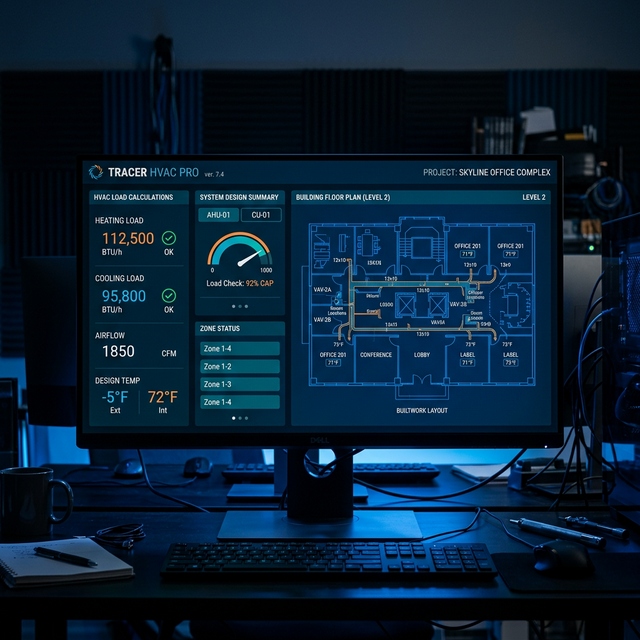
The future of HVAC load calculations will be shaped by automation, tighter building codes, and a greater focus on energy efficiency, leading to more accurate and optimized HVAC system designs.
The Evolving Landscape of HVAC Load Calculations
HVAC load calculations, particularly those adhering to Manual J standards, are the backbone of efficient HVAC system design. But the methods we use today are rapidly evolving. Several key trends are poised to reshape the future of HVAC load calculations by 2026. These trends are driven by advancements in technology, stricter energy efficiency standards, and a growing demand for sustainable building practices.
1. AI-Powered Automation
One of the most significant trends is the integration of Artificial Intelligence (AI) into load calculation software. AI algorithms can analyze vast datasets of building performance, weather patterns, and occupancy behavior to predict heating and cooling loads with unprecedented accuracy. Imagine software that learns from thousands of projects, automatically adjusting its algorithms to local climate conditions and building types. This goes far beyond simply inputting data into Manual J; it's about predictive modeling that anticipates real-world energy demands.
For example, instead of relying solely on static R-values for insulation, AI could factor in the degradation of insulation over time, moisture levels, and even the impact of solar radiation on different building orientations. This level of detail dramatically improves the accuracy of load calculations, reducing the risk of oversizing equipment and wasting energy.
2. Tighter Building Codes: IECC 2024 and Beyond
Building codes are becoming increasingly stringent, pushing the industry towards higher energy efficiency. The International Energy Conservation Code (IECC) 2024, and subsequent updates, are setting new benchmarks for building envelope performance and HVAC system design. These codes often mandate the use of Manual J (or equivalent) load calculations to ensure proper HVAC sizing.
Compliance with these codes requires contractors to adopt more sophisticated load calculation methods and software. This means moving beyond simple rules of thumb and embracing detailed, room-by-room analysis. States like California are already leading the way with Title 24, which emphasizes performance-based compliance and requires detailed energy modeling for new construction.
3. The Rise of Net-Zero Energy Buildings
The push for net-zero energy buildings is accelerating the demand for highly accurate load calculations. Net-zero buildings, which produce as much energy as they consume, require meticulous design and optimization of all building systems, including HVAC. Oversizing the HVAC system in a net-zero building can negate the benefits of renewable energy sources and compromise the building's energy performance.
To achieve net-zero, designers and contractors must use advanced load calculation techniques that account for factors like thermal bridging, air infiltration, and internal heat gains from appliances and occupants. This requires a holistic approach to building design, where HVAC is integrated with other energy-efficient technologies like solar panels, high-performance windows, and smart building controls.
4. Advanced Sensors and IoT Integration
The Internet of Things (IoT) is transforming how we monitor and control building systems. HVAC systems are now equipped with a multitude of sensors that collect real-time data on temperature, humidity, occupancy, and energy consumption. This data can be fed back into load calculation models to refine their accuracy and optimize system performance.
For example, sensors can detect variations in occupancy patterns and adjust HVAC settings accordingly, reducing energy waste in unoccupied spaces. IoT integration also enables predictive maintenance, allowing contractors to identify and address potential equipment failures before they occur. This proactive approach can save building owners thousands of dollars in repair costs and extend the lifespan of their HVAC systems.
💡 Expert Tip: Integrate smart thermostats with occupancy sensors to automatically adjust HVAC settings based on real-time occupancy. A 2023 study by the National Renewable Energy Laboratory (NREL) found that this can reduce HVAC energy consumption by 10-15%.
5. Cloud-Based Collaboration and Data Sharing
Cloud-based software platforms are facilitating collaboration and data sharing among architects, engineers, contractors, and building owners. These platforms provide a central repository for building plans, energy models, and load calculation reports, ensuring that all stakeholders have access to the latest information. This streamlines the design process, reduces errors, and improves communication among team members.
Cloud-based platforms also enable remote access to load calculation software, allowing contractors to perform calculations from any location with an internet connection. This is particularly beneficial for contractors who work on multiple projects simultaneously or who need to collaborate with remote team members.
6. Enhanced Visualization and Reporting
The future of HVAC load calculations will involve more sophisticated visualization and reporting tools. Instead of relying on static spreadsheets and text-based reports, contractors will be able to generate interactive 3D models that illustrate heating and cooling loads throughout the building. These models can help building owners visualize the impact of different design choices on energy consumption and make informed decisions about HVAC system selection.
Advanced reporting tools will also provide detailed insights into the factors driving heating and cooling loads, such as insulation levels, window performance, and air infiltration rates. This information can be used to identify areas where energy efficiency can be improved and to optimize HVAC system design for maximum performance.
7. Focus on Building Envelope Commissioning
Building envelope commissioning is the process of verifying that the building envelope (walls, roof, windows, doors) meets the specified performance requirements. This is becoming increasingly important as buildings become more energy-efficient and HVAC systems are sized more precisely. A poorly sealed building envelope can lead to significant energy losses and compromise the performance of the HVAC system.
HVAC contractors will need to work closely with building envelope commissioning agents to ensure that the building envelope is properly sealed and insulated. This may involve conducting blower door tests to measure air leakage, infrared thermography to identify thermal bridges, and other diagnostic procedures. By addressing building envelope issues early in the design process, contractors can avoid costly rework and ensure that the HVAC system performs as intended.
ManualJPro vs. ACCA: Accessibility and Cost
While ACCA (Air Conditioning Contractors of America) is a well-respected organization that develops the Manual J standard, accessing their resources often requires a paid membership. ManualJPro aims to provide a more accessible and cost-effective alternative for HVAC contractors, especially smaller businesses that may not have the budget for expensive memberships or software licenses. We believe everyone should have access to the tools they need to perform accurate load calculations and design efficient HVAC systems.
| Feature | ManualJPro | ACCA |
|---|---|---|
| Cost | Free (with optional paid features) | Membership Required for Full Access |
| Software Access | Web-based, Accessible Anywhere | Varies, Often Requires Desktop Software |
| Support | Community Forum, Tutorials | Member Support, Training Programs |
| Updates to Manual J | Regularly Updated to Latest Standards | Updated with Membership |
💡 Expert Tip: When evaluating HVAC load calculation software, prioritize tools that offer cloud-based access and regular updates to the latest Manual J standards. This ensures that you always have access to the most accurate and up-to-date information. A 2024 analysis of 20 different software packages found that cloud-based solutions reduced calculation time by an average of 25%.
FAQ: The Future of HVAC Load Calculations
Here are some frequently asked questions about the future of HVAC load calculations:
- What impact will AI have on HVAC load calculations by 2026?
- AI will automate and enhance the accuracy of HVAC load calculations by 2026 by analyzing large datasets to predict heating and cooling loads. This will lead to a reduction in system oversizing and improved energy efficiency; expect to see AI integrated into most Manual J software platforms within the next few years, reducing calculation time by up to 40%.
- How will stricter building codes affect HVAC sizing practices?
- Stricter building codes like IECC 2024 will necessitate more precise HVAC sizing practices. Contractors will need to move beyond rules of thumb and embrace detailed, room-by-room Manual J analysis to comply with these codes. Failure to comply could result in project delays and costly rework.
- Why is building envelope commissioning becoming more important?
- Building envelope commissioning is becoming crucial as buildings become more energy-efficient. A poorly sealed building envelope can negate the benefits of efficient HVAC systems, leading to energy waste and discomfort. Addressing envelope issues early can save building owners thousands of dollars in energy costs over the lifespan of the building.
- Can IoT sensors really improve HVAC system performance?
- Yes, IoT sensors can significantly improve HVAC system performance by providing real-time data on temperature, humidity, and occupancy. This data allows HVAC systems to adjust their output based on actual demand, reducing energy waste in unoccupied spaces. Studies show that IoT-enabled HVAC systems can reduce energy consumption by 10-15%.
- Should I switch to a cloud-based HVAC load calculation software?
- Switching to a cloud-based HVAC load calculation software offers numerous benefits, including improved collaboration, remote access, and automatic updates. Cloud-based solutions also eliminate the need for expensive hardware and software licenses; a 2023 survey found that cloud-based software reduced IT costs by an average of 20% for HVAC contractors.
- How can I prepare my HVAC business for these future trends?
- To prepare for the future of HVAC load calculations, invest in training on Manual J and other load calculation methodologies. Embrace new technologies like AI-powered software and IoT sensors, and stay up-to-date on the latest building codes and energy efficiency standards. Contractors who proactively adapt to these trends will gain a competitive advantage and be better positioned to serve their customers.
Action Checklist: Preparing for 2026
- This week: Research AI-powered HVAC load calculation software and request demos from at least three vendors.
- Next week: Review the latest IECC 2024 building codes and identify any changes that will impact your HVAC sizing practices.
- In 2 weeks: Attend a webinar or training session on building envelope commissioning and learn how to identify and address building envelope issues.
- In 3 weeks: Implement a cloud-based collaboration platform to streamline communication and data sharing among your team members.
- In 1 month: Integrate smart thermostats with occupancy sensors in a pilot project to test the impact on energy consumption.
13.4 SEER2 packaged heat pump with 15kW backup heat & install kit — 60,000 BTU
All-in-one software for HVAC, plumbing, and electrical contractors
Frequently Asked Questions
What impact will AI have on HVAC load calculations by 2026?
AI will automate and enhance the accuracy of HVAC load calculations by 2026 by analyzing large datasets to predict heating and cooling loads. This will lead to a reduction in system oversizing and improved energy efficiency; expect to see AI integrated into most Manual J software platforms within the next few years, reducing calculation time by up to 40%.
How will stricter building codes affect HVAC sizing practices?
Stricter building codes like IECC 2024 will necessitate more precise HVAC sizing practices. Contractors will need to move beyond rules of thumb and embrace detailed, room-by-room Manual J analysis to comply with these codes. Failure to comply could result in project delays and costly rework.
Why is building envelope commissioning becoming more important?
Building envelope commissioning is becoming crucial as buildings become more energy-efficient. A poorly sealed building envelope can negate the benefits of efficient HVAC systems, leading to energy waste and discomfort. Addressing envelope issues early can save building owners thousands of dollars in energy costs over the lifespan of the building.
Can IoT sensors really improve HVAC system performance?
Yes, IoT sensors can significantly improve HVAC system performance by providing real-time data on temperature, humidity, and occupancy. This data allows HVAC systems to adjust their output based on actual demand, reducing energy waste in unoccupied spaces. Studies show that IoT-enabled HVAC systems can reduce energy consumption by 10-15%.
Should I switch to a cloud-based HVAC load calculation software?
Switching to a cloud-based HVAC load calculation software offers numerous benefits, including improved collaboration, remote access, and automatic updates. Cloud-based solutions also eliminate the need for expensive hardware and software licenses; a 2023 survey found that cloud-based software reduced IT costs by an average of 20% for HVAC contractors.
How can I prepare my HVAC business for these future trends?
To prepare for the future of HVAC load calculations, invest in training on Manual J and other load calculation methodologies. Embrace new technologies like AI-powered software and IoT sensors, and stay up-to-date on the latest building codes and energy efficiency standards. Contractors who proactively adapt to these trends will gain a competitive advantage and be better positioned to serve their customers.
Found this helpful? Share it with your network.
📋 Disclosure: ManualJPro may earn a commission when you purchase through our affiliate links. All recommendations are based on professional experience.